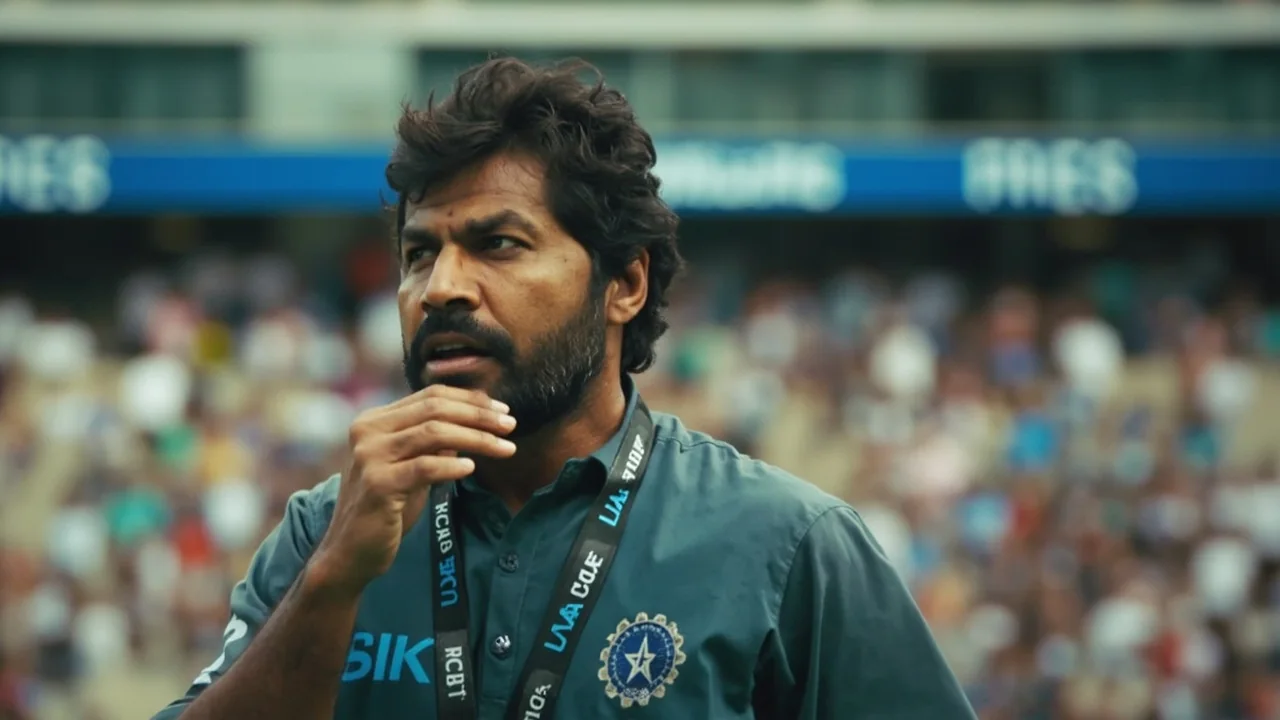
Subhadeep Ghosh is the new fielding coach of the India men's cricket team. The Board of Control for Cricket in India confirmed the appointment on 29 July 2026, more than seven weeks after T Dilip's one-year extension ran out on 8 June at the conclusion of the white-ball tour of the United Kingdom. The appointment lands in the middle of the seven-week gap between the end of India's UK commitments and the start of the home Test series against Sri Lanka, and gives the team management its full back-room staff back in place before the red-ball block begins.
Ghosh walks into a dressing room that has changed shape since he was last inside an India squad. The T20 World Cup in 2026 was won under a support staff led by Sitanshu Kotak after Gautam Gambhir's tenure ended, and Ryan ten Doeschate's two-year contract as assistant coach ran out on 10 June, per BCCI secretary Devajit Saikia. The fielding-coach chair is the third major support-staff seat the BCCI has had to refill since the start of the home summer, and the Ghosh appointment closes the loop on what had been an open role since the UK tour.
What the appointment covers
The BCCI's 29 July announcement frames Ghosh's brief in straightforward terms. He will be the fielding coach of the Senior Men's side for the upcoming Sri Lanka Test series and the international windows that follow, working under head coach Sitanshu Kotak and alongside the rest of the support staff. The role covers drills, match-day field-placement support, slip-cordon work, throwing accuracy and the ground-fielding standards the Indian team has held itself to since the 2023-24 cycle, when T Dilip first joined the set-up on a one-year contract that was extended for another year in mid-2025.
The scope is wider than a single series. India's next twelve months include the Sri Lanka Tests at home, the West Indies white-ball tour that opens the BCCI's 2026-27 home season on 27 September, the Sri Lanka and Zimbabwe white-ball blocks in December and January, and the Border-Gavaskar Trophy against Australia from 21 January 2027. The fielding coach will be in the dressing room for all of it, and the choice of Ghosh signals continuity rather than a stylistic reset — the BCCI has not used the appointment to change the language of India's fielding drills.
Why T Dilip's exit mattered
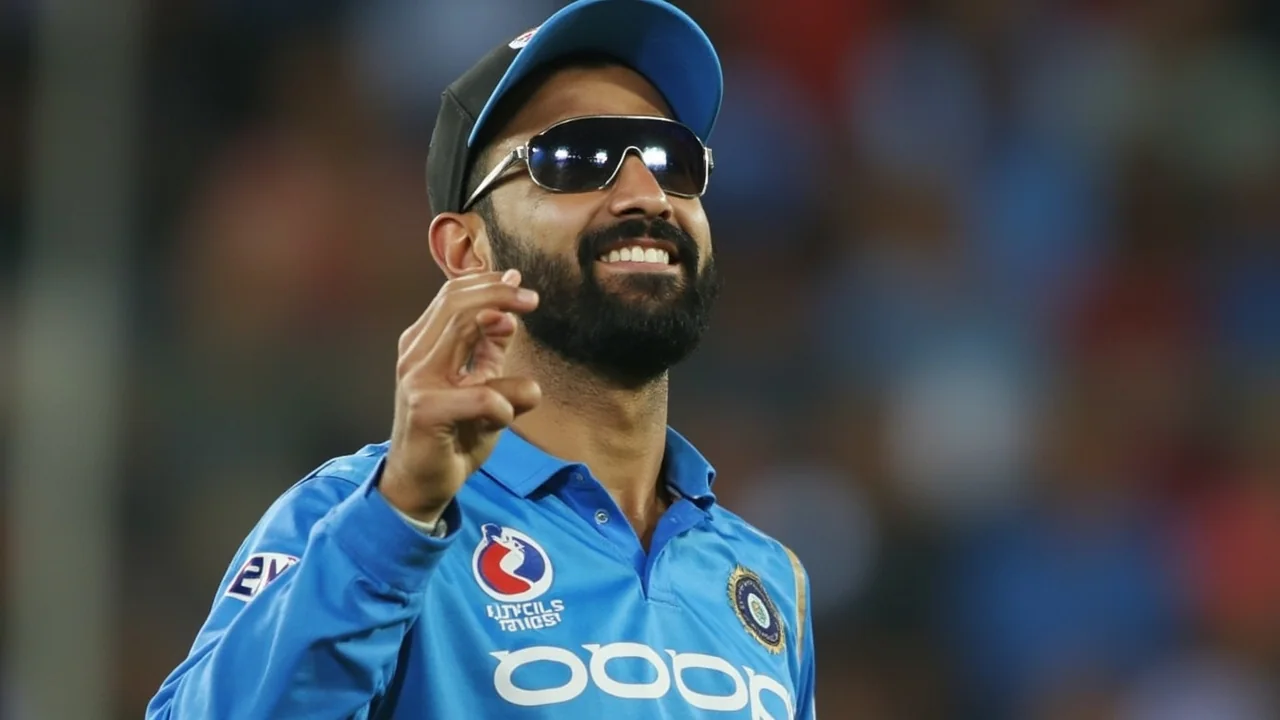
T Dilip's one-year extension expired on 8 June 2026, the day after India wrapped up the white-ball leg of the UK tour. The departure was the second high-profile exit from the Indian support staff in the same fortnight: assistant coach Ryan ten Doeschate's two-year contract with the men's team ended on 10 June, also confirmed by BCCI secretary Devajit Saikia. Ten Doeschate has since been named Head of Cricket Strategy at Knight Riders Sports in a separate announcement on 29 July, completing a near-simultaneous reshuffle of the Indian back-room.
The seven-week gap between Dilip's exit and Ghosh's appointment is unusually long by BCCI standards. India usually refills support-staff seats inside a fortnight, and the long interim period has meant that the Sri Lanka preparation camps have run without a designated senior fielding coach. The choice to take the time, rather than promote an interim from the NCA, suggests the BCCI wanted a clean appointment with a defined fielding philosophy rather than a stopgap. Ghosh's resume — a Bengal cricketer with two decades of NCA involvement — fits that brief.
For the Indian team, the practical implication is that the fielding standards set under T Dilip through the 2024 T20 World Cup, the 2025 Champions Trophy and the 2026 T20 World Cup will carry into the new cycle without an obvious break. Dilip's tenure produced visible improvements in India's catching efficiency and direct-hit rate across formats, and the incoming coach inherits a group that has been drilled in the same vocabulary for the last three years. The first public test will be the catching standards during the Sri Lanka Test series.
The Ghosh resume that matters
Subhadeep Ghosh is not a new name in Indian cricket circles. As a domestic player, he played 17 First-class matches for Bengal, scoring 316 runs, and 17 List A matches, scoring 307 runs. He debuted in the 1994-95 season, played his last first-class game in 2004 and his last List A game in 2005 — a compact senior career that ended before the IPL existed, but that gave him a long runway into coaching.
The IPL connection is the part of the resume that gets quoted most often. Ghosh was part of the Kolkata Knight Riders' 2014 squad that won the franchise's second IPL title. The 2014 KKR side, led by Gautam Gambhir and coached by Trevor Bayliss, beat the Kings XI Punjab in the final, and Ghosh's role inside that squad gave him an early window into the franchise cricket environment that has since become the financial engine of the sport. For the IPL audience, the KKR connection is also a quiet thematic link to the wider 29 July news cycle — the same day the Knight Riders group named Ryan ten Doeschate as Head of Cricket Strategy.
The coaching resume is deeper still. Ghosh has worked with the India women's team in a fielding capacity, with the India U19 side during their World Cup campaign in South Africa, and with the India men's team at the 2023 Hangzhou Asian Games. His National Cricket Academy involvement dates back to the Rahul Dravid era, when the NCA was being reshaped into the central coaching centre for Indian cricket. The combination of women's cricket, age-group cricket, multi-sport tournaments and the NCA gives Ghosh a broad frame of reference that few Indian fielding coaches of the last decade can match.
What changes for the team, and what doesn't
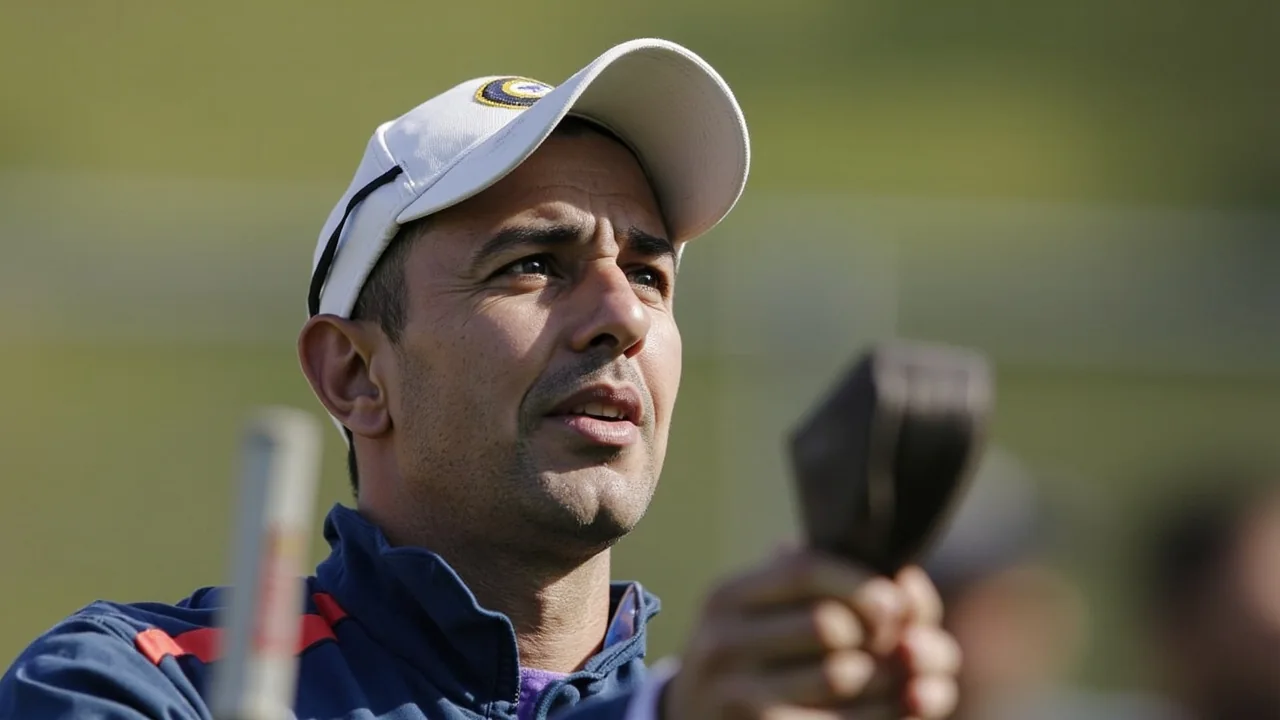
On the evidence available, very little changes immediately. The Indian fielding group has been working under the same coaching vocabulary for three years, and the slip-cordon positions, the boundary-rope throwing drills and the catching routines that were standard under T Dilip will continue under Ghosh. The BCCI has framed the appointment as a continuation rather than a reset, and Ghosh's own previous work with the India women's team and India U19 suggests he is comfortable inheriting an established system rather than rewriting it.
Where there may be subtle shifts is in the way the fielding coach interacts with the bowling group. India's red-ball attack in the Sri Lanka series will likely revolve around the Jasprit Bumrah–Mohammed Siraj axis, with the spinners taking over from day three onwards on the Indian pitches. The fielding coach's brief in red-ball cricket is largely about catching at slip, mid-wicket and short leg, and the precision of those positions will be one of the first visible measures of Ghosh's match-day impact. The white-ball windows that follow — the West Indies T20Is in five cities in September and October, the Sri Lanka white-ball block in December — give him a longer runway to embed any quiet stylistic changes.
The other area to watch is the franchise crossover. The IPL 2027 retention and auction window opens in October, and the franchises will be looking at how the India fielding coach's training methods map onto their own pre-season camps. Ghosh's KKR connection from 2014 gives him a natural bridge into one franchise, but his broader NCA and India-age-group work suggests he will be equally comfortable across the IPL ecosystem. The next round of India squad announcements will be the first window into how the new fielding coach's drills show up in selection calls.
Why the timing matters now
The 29 July appointment lands in a specific gap in India's cricket calendar. The white-ball tour of the UK wrapped in early June, the assistant-coach and fielding-coach seats were vacated within a fortnight of each other, and the next red-ball series — against Sri Lanka at home — opens the international window that runs through the West Indies white-ball tour in September, the Sri Lanka and Zimbabwe blocks in December and January, and the Border-Gavaskar Trophy from 21 January 2027. The BCCI needed the fielding-coach chair filled before the red-ball block began, and the 29 July confirmation gives Ghosh roughly three weeks to settle into the role before the squad assembles for the Sri Lanka Tests.
The timing also lets Ghosh overlap with the new head coach, Sitanshu Kotak, ahead of the Tests. Kotak took over the head coach seat after the 2026 T20 World Cup and is in the early phase of his own tenure; having a fielding coach who has worked across the India women's team, India U19, the Asian Games squad and the NCA gives the head coach a senior figure inside the support staff who has seen most of the Indian player pool in competitive settings. The Kotak-Ghosh partnership will be the senior dressing-room axis for the Sri Lanka series.
For Indian cricket's broader coaching pipeline, the appointment is also a small signal. The BCCI has picked a fielding coach from the NCA system rather than from the overseas T20 circuit — a contrast with the recent trend of recruiting support staff from the IPL franchises and the overseas leagues. The message is that the Indian system still produces senior coaches for Indian teams, and that the NCA pathway is a credible route into the dressing room. The next round of NCA coaching appointments will be the second quiet test of whether that pipeline is being rewarded.
What to watch next
The first public test is the India squad announcement for the Sri Lanka Test series, expected in mid-August. That squad will be the first to be selected with Ghosh's input, and the balance of spinners and slip fielders in the playing XI will be the first concrete signal of how the new fielding coach's input is being weighted. The second checkpoint is the first slip-cordon session of the Sri Lanka preparation camp — open to the media in the week before the first Test — where the catching standards will be the first visible measure of the new regime.
For fantasy cricket players tracking the Indian international calendar on the Exchange22 IPL 2026 schedule and squad reads, the practical read-through is simpler. The fielding-coach change does not move the fantasy points table for the Sri Lanka series; the catching efficiency and the boundary saves that drive fielding points will be produced by the same group of players who have been in the Indian side through 2024, 2025 and the first half of 2026. What changes is the continuity of the support staff, and the fact that the BCCI has now closed all three of the major back-room seats that opened after the UK tour.