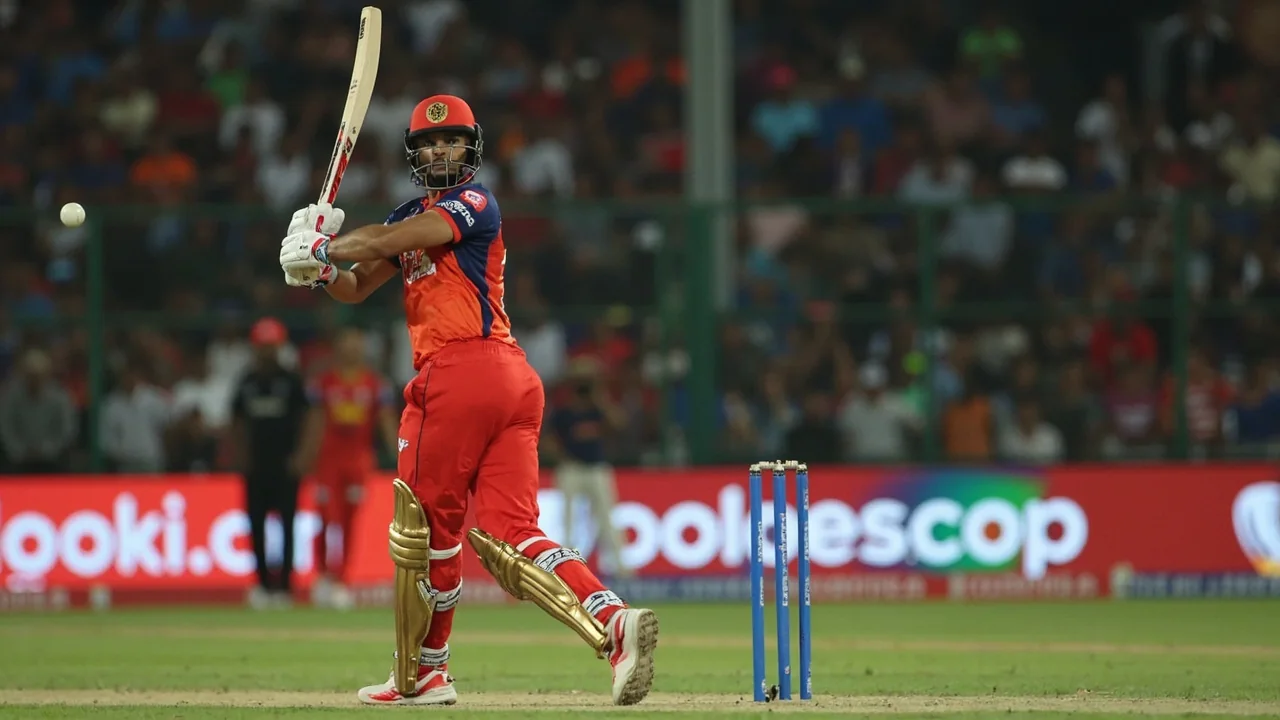
On Wednesday, 6 May 2026, the BCCI confirmed the IPL 2026 playoffs schedule: the final on 31 May at the Narendra Modi Stadium in Ahmedabad, Qualifier 1 on 26 May at HPCA Stadium, the Eliminator on 27 May at the New International Cricket Stadium, and Qualifier 2 on 29 May at the same New International venue. The headline was the venue. The fixture had originally been earmarked for the M. Chinnaswamy Stadium in Bengaluru — Royal Challengers Bengaluru's home ground. It left Bengaluru on 6 May, six days after the league stage's final round, and never came back.
What the BCCI actually announced on 6 May
The 6 May announcement covered four matches across three venues, in a compressed nine-day window. Qualifier 1, between the first- and second-placed teams after the league stage, was scheduled for 26 May at HPCA Stadium in Dharamsala, with a direct berth in the final at stake. The Eliminator, between third and fourth, was scheduled for 27 May at the New International Cricket Stadium. Qualifier 2, pitting the loser of Qualifier 1 against the winner of the Eliminator, was scheduled for 29 May at the same New International venue. The final was scheduled for 31 May at the Narendra Modi Stadium in Ahmedabad.
The wire copy credited the report to IANS. The BCCI framed the three-venue arrangement as a special case owing to operational and logistical considerations, language that usually signals a compromise rather than a clean choice. The Ahmedabad allocation, in particular, followed months of speculation after the 2023 and 2025 finals at the same ground, and locked the world's largest cricket stadium in as the neutral venue for the second time in three seasons.
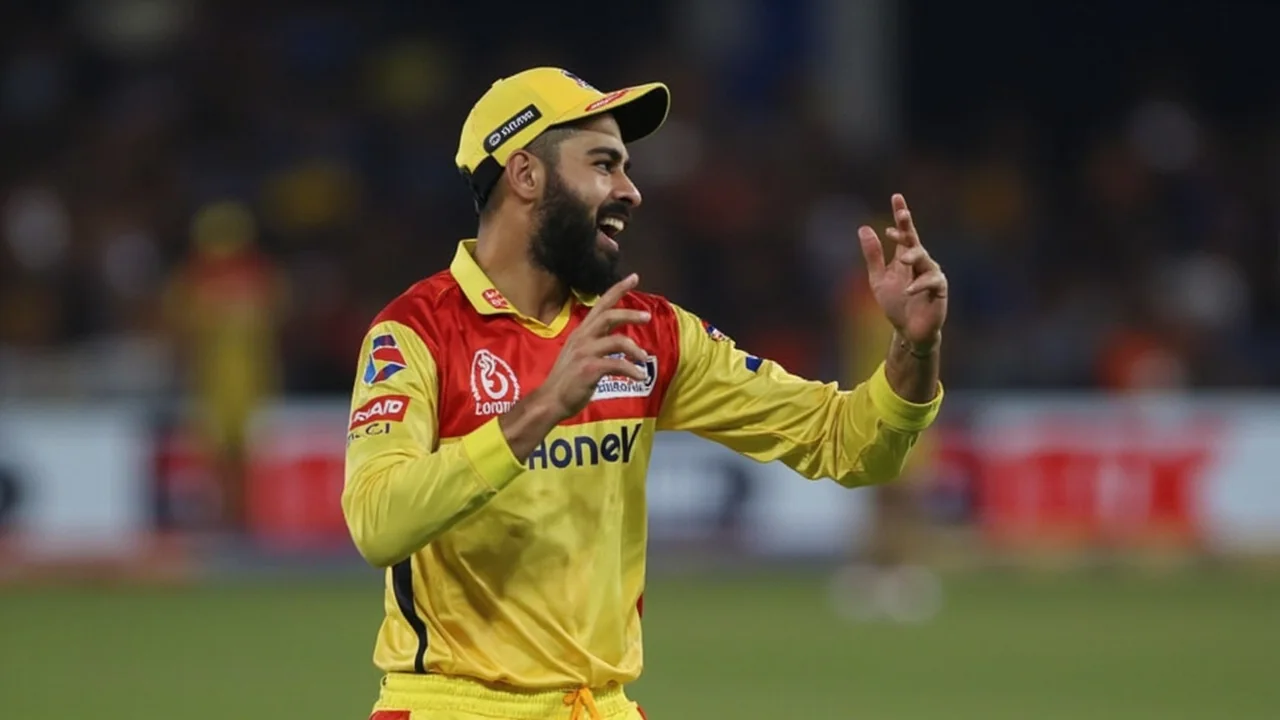
Why the Bengaluru final collapsed
Until the first week of May, the standard line on the IPL 2026 final was the M. Chinnaswamy Stadium. Royal Challengers Bengaluru won the 2025 title at the same venue in front of a home crowd that had waited eighteen years for it, and the 2026 calendar had been quietly pencilled around a defence in Bengaluru. The BCCI's 6 May statement named the reason the move happened: requirements from the local association and authorities that the board described as outside the scope of its established guidelines and protocols.
Reading between the lines, the practical issue was operational. The Chinnaswamy precinct had become a logistical headache for night matches by 2026 — access, security perimeters, and traffic management for a sold-out 40,000-seat venue had been flagged in the previous season's post-event reports. The BCCI did not name the local body involved, and the Karnataka State Cricket Association did not issue a statement on the day. What was clear from the announcement was that the fixture would be played elsewhere, and that the defending champions would not have a home final even if they finished in the top two.
What the venue change did to RCB's defence
For Royal Challengers Bengaluru, the move was the most consequential off-field decision of their title-defence season. A home IPL final at the Chinnaswamy is not just a crowd advantage; it is a measurable one. Bengaluru's night-match scoring rate at the Chinnaswamy in 2025 ran well above the league average, the boundaries were familiar, and the dew pattern, which so often dictates second-innings chases, was predictable. Ahmedabad, by contrast, has been a higher-scoring but flatter venue in recent finals, with longer square boundaries and a slower outfield once the surface wears.
Even if RCB finished top of the league and qualified directly for the final, they would travel. There was no home-and-away carve-out, no second chance to host, no fall-back. The Ahmedabad allocation also meant that whoever won Qualifier 1 and advanced directly to the final would effectively have one fewer match to play, and one more day of rest than the team going through Qualifier 2. The route-map through the knockout mattered as much as the venue.
The three-venue playoff map, explained
Splitting four matches across three venues is unusual for the IPL, where the playoff window has historically been compressed into two grounds. The 2026 shape — Dharamsala for Qualifier 1, the New International Cricket Stadium for the Eliminator and Qualifier 2, Ahmedabad for the final — placed each leg in a different cricket region: the north (Dharamsala), the south (the New International ground), and the west (Ahmedabad). Travel between them was real, not nominal.
For the franchises, the implication was an unusual hotel-and-charter shuffle between 26 May and 31 May. For fantasy players on Exchange22 tracking live form through the playoff window, the implication was that pitch reading mattered more than usual — each venue had its own average first-innings score, its own dew behaviour, and its own pace-versus-spin split. The standard playbook of assuming a Chinnaswamy-style batting paradise did not apply at any of the three grounds.
How the reshuffle changed fantasy pricing on Exchange22
The knock-on for fantasy players was visible within a day of the announcement. Bowlers who had built their fantasy price on Chinnaswamy-friendly conditions saw those prices soften, since neither Dharamsala nor the New International ground behave like Bengaluru. Spinners, in particular, regained ground: the New International surface has historically offered more turn in the middle overs than the Chinnaswamy's true bounce, and Dharamsala has rewarded finger-spin on dry days.
For all-ten-franchise tracking through IPL team profiles on Exchange22, the practical read on the day was to weight all-rounders slightly higher than usual through the knockout, because the pitch-by-pitch variety across three venues rewarded role-flexibility over single-discipline ceiling. Fantasy team builders who locked their playoff XIs the morning of 6 May without re-pricing lost a half-day of value to those who waited for the BCCI confirmation and re-ranked the same evening.
The venue timing question
What the 6 May statement did not say was whether the BCCI had considered the venue change earlier in the season. Reports in the Indian press had flagged logistical concerns at the Chinnaswamy as far back as the league-stage opener in late March. If the board had been working on a Plan B for weeks, the announcement landed later than the underlying decision. If, on the other hand, the local-association demands arrived in early May, the timing of the announcement was unavoidable.
The board's framing of the venue change as outside its established guidelines is the most consequential line in the statement. It tells franchises and state associations that venue allocation is not unilateral — that local conditions, even when last-minute, can override the published calendar. For the IPL 2027 cycle, that uncertainty will be priced in by every franchise planning its pre-season travel.
What to remember from the 6 May call
The 6 May 2026 announcement was, in the end, three decisions wrapped in one statement. First, the final moved from Bengaluru to Ahmedabad — a denial of a home final for the defending champions, and a vote of confidence in the world's largest cricket stadium as a neutral venue. Second, the playoffs were spread across three venues — a logistical compromise that forced franchises and fantasy players to recalibrate for three different pitch types. Third, the BCCI publicly framed the change as forced by external requirements, not chosen by the board — a precedent that will be cited in every future venue dispute.
For fantasy players on Exchange22, the lesson is portable: when the BCCI moves a fixture, expect price movement on the affected roles within 24 hours, and expect the fantasy read to differ by venue. For the franchises, the lesson is harder — that the home-final privilege, however implicit, is no longer guaranteed in the modern IPL calendar. The Ahmedabad final on 31 May played out in front of a full house; the Bengaluru alternative is now a counterfactual that the 2026 season will not return to.
Frequently asked questions
When did the BCCI announce the IPL 2026 playoffs schedule?
The BCCI confirmed the IPL 2026 playoffs schedule on Wednesday, 6 May 2026, naming Ahmedabad as host of the final on 31 May and detailing the four-match knockout route across three venues.
Why was the IPL 2026 final moved from Bengaluru to Ahmedabad?
The final was originally designated for the M. Chinnaswamy Stadium in Bengaluru, Royal Challengers Bengaluru's home ground. The BCCI reassigned the fixture after requirements from the local association and authorities were deemed outside the board's established guidelines and protocols.
Where were Qualifier 1, the Eliminator and Qualifier 2 played?
Qualifier 1 between the top two league-stage teams was scheduled for 26 May at HPCA Stadium. The Eliminator between third and fourth was scheduled for 27 May at the New International Cricket Stadium, with Qualifier 2 at the same venue on 29 May.
How many venues hosted IPL 2026 playoff matches?
Three venues: HPCA Stadium, the New International Cricket Stadium, and the Narendra Modi Stadium in Ahmedabad. Running the playoffs across three venues was described by the BCCI as a special case owing to operational and logistical considerations.
What did the venue change mean for defending champions Royal Challengers Bengaluru?
Royal Challengers Bengaluru were denied a home final at M. Chinnaswamy Stadium. Even if they qualified, they would have travelled to Ahmedabad, removing the home crowd advantage that traditionally shapes IPL finals in Bengaluru.