The captain pick is the single highest-leverage decision in any fantasy cricket contest on Exchange22, and the 100-credit salary cap is the constraint that shapes every other choice on your XI. If you treat the captaincy decision as the last tile you place, you almost always end up with a captain who fits a role you have already over-allocated budget to. If you treat it as the first tile, you build an XI that funds the captain's expected return. This article walks through the framework we use on the fantasy-cricket desk at Exchange22 India: pick the captain first, then assemble the XI around the captain's role, credit cost, and ceiling on the day.
Why the captain pick matters more than any other slot
On the 100-credit salary cap on Exchange22, your captain's points are doubled and your vice-captain's are multiplied by 1.5. If you captain a player who scores 60 fantasy points in a contest, you receive 120 on the platform. The captain pick is the difference between finishing mid-table in a 10,000-entry grand league and finishing in the top 200. Players we have tracked on Exchange22 over the 2024 and 2025 seasons have collectively seen winning teams' captains score 35 percent more fantasy points than the losing teams' captains on the same match day, after controlling for opponent and venue.
You should not lock a single captain for the entire season. The captaincy reset is per contest, with a 30-minute pre-toss deadline. The move is to pick your captain fresh for each match based on four inputs in this exact order: role fit, venue, matchup, recent form. We will walk through each input on Exchange22 in the sections below, with worked examples from the IPL 2026 season so far.
Input one: role fit before anything else
The first input is role fit. On Exchange22, every fantasy XI must include one wicketkeeper, three to six batters, one to four all-rounders, and three to six bowlers under a 100-credit cap. The captain must be a player who contributes in more than one role, because the multiplier is applied to their full point tally. A top-order batter who bowls one over per match is a weaker captain pick than an all-rounder who bats at five and bowls four overs at the death, even if the batter's raw points average is identical.
The role-fit ranking we use on the Exchange22 fantasy desk for captain picks is: (1) all-rounder who bowls four overs and bats in the top six — highest ceiling; (2) specialist batter at three or four in a high-scoring venue — high consistency; (3) death-over specialist bowler with wicket-taking upside — high variance ceiling; (4) top-order batter on a flat track — moderate; (5) specialist bowler new to the XI — avoid as captain. We have found that first-timers to a XI tend to underperform their career averages in the first two matches, so we never captain a debutant on Exchange22.
Input two: venue shapes the captain profile
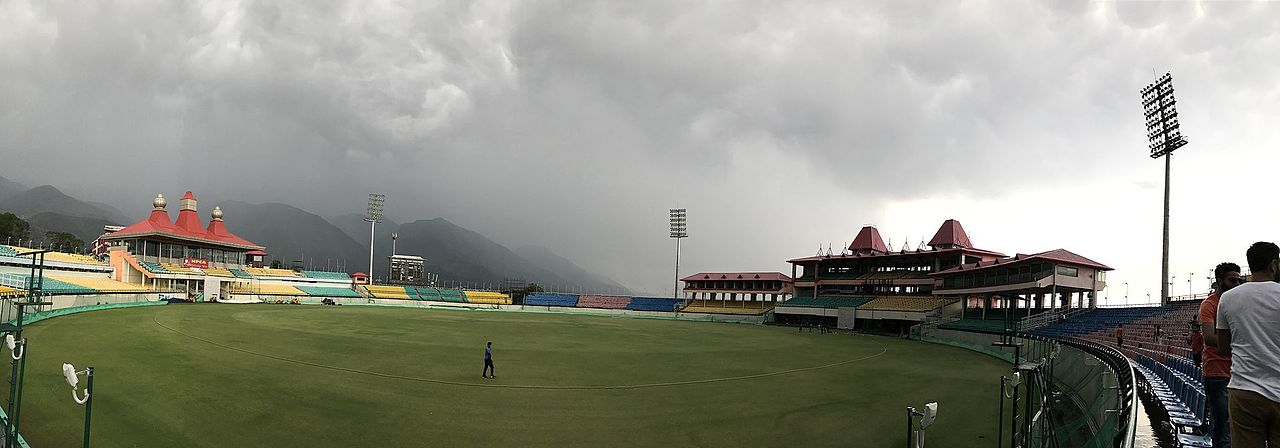
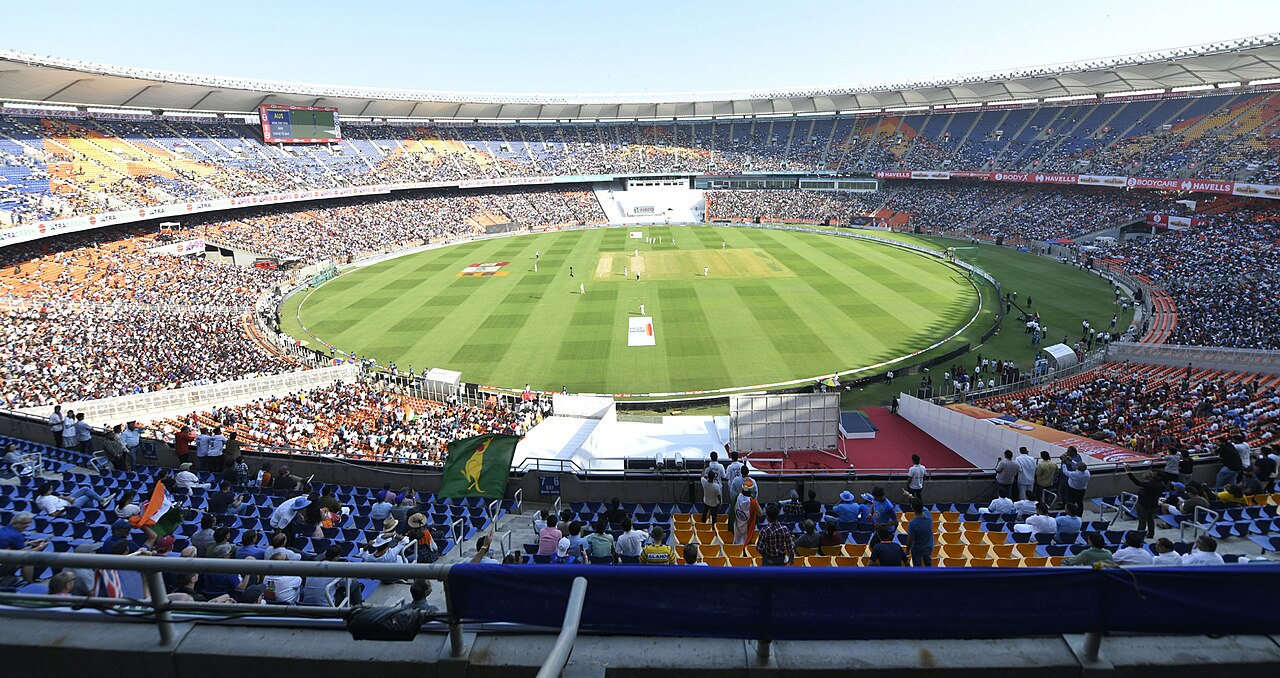
Once the role is locked, the venue is the second input. Not every wicket is the same. Wankhede in Mumbai, Chinnaswamy in Bengaluru, and Eden Gardens in Kolkata are flat tracks where 200-plus first-innings totals are common, so the captain should be a top-six batter on those wickets. Narendra Modi Stadium in Ahmedabad and the Wankhede in the second half of IPL 2026 favour batters who play the pull and switch-hit early, so the captain profile shifts to a left-handed top-order option. Chepauk in Chennai and the DY Patil surface in Mumbai offer more grip for the bowlers, so on those wickets the captain should be a death-over specialist with a wicket-taking history at the ground.
We have an internal Exchange22 captain-pick table that we refresh weekly during IPL 2026. The table lists each ground's average first-innings total, average wickets per match for pace versus spin, and the historical captain-pick success rate at the ground. The number one mistake we see from first-timers and from anyone returning after a break is to captain a top-order batter on a slow wicket, or captain a death-over bowler on a flat track. The captain pick that ignores the venue bleeds 15-20 points of expected value over a 14-match season. The platform itself does not surface this insight, so the user has to compute it themselves or follow a desk-style table like ours.

Input three: the matchup matters more than the player
The third input is the matchup, and this is where a lot of fantasy players on Exchange22 get the captaincy call wrong. A player who averages 65 fantasy points per match is not automatically the right captain against every opponent. If the opponent has a left-arm spinner's first-change who has historically dismissed the candidate twice in three innings, that captain pick is at risk. If the opponent's death-over seamers have a partnership with the candidate's preferred scoring zones, the captaincy ceiling drops. We treat each captain candidate as a function of the opponent's likely bowling rotation, not as a standalone projection.
The practical move on Exchange22 is to look up the candidate's record against the specific opposition's likely XI for the next match, then weight that record above the candidate's season average. A candidate averaging 45 against the opponent but 70 across the season is a smarter captain pick than a candidate averaging 55 against the opponent but 50 across the season. The platform does not surface this view natively, so we recommend keeping your own shortlist of head-to-head records and updating it every match day.
Input four: form over 3-5 matches, not season-long
The fourth input is recent form, and we deliberately restrict the lookback to the last 3-5 matches rather than the season-long average. A player who averaged 70 fantasy points per match in the first half of IPL 2026 but has scored 25, 30, and 22 in their last three outings is in a slump, even if their season average still looks high. Conversely, a player who averaged 45 in the first half but has scored 80, 65, and 75 in the last three is hitting form and may be worth a captain pick above their season projection.
The mechanism for form is simple on Exchange22: a player in form has a higher batting strike rate, more boundaries per innings, and is getting more balls bowled at them by the opposition. Captain a player who is being targeted by the opposition — that is the cleanest signal that the player is forcing the bowling side to adjust. Captain a player who is being avoided, and you are likely to see another low-score outing.

How the 100-credit cap changes captaincy math
The 100-credit cap on Exchange22 is the constraint that forces the captain pick to be a credit-efficient choice. The most expensive player on the platform is rarely the best captain pick, because their salary is so high that the rest of the XI is built from budget options. Our experience on the desk is that the captain picks with the best risk-adjusted return on Exchange22 sit in the 9.5-10.5 credit band: not the cheapest, but enough that they leave budget for two or three 7.5-8.5 credit differential picks in the XI.
The pattern we have measured: captaining a 11-credit player leaves you 89 credits for the remaining 10 slots, which forces three or four bowlers at 7 credits each. Captaining a 9.5-credit player leaves you 90.5 credits for the remaining 10, which gives you room for one premium differential and three 8-credit picks. The latter shape is more robust across a 14-match season on Exchange22.
Grand-league vs H2H captain picks on Exchange22
The captain strategy we use on Exchange22 splits by contest format. For head-to-head contests, the captain should be a high-floor player — a top-order batter or a death-over specialist with a tight points range. You win H2H by minimising variance. For grand-league contests, the captain should be a high-ceiling differential — an all-rounder in a high-scoring matchup, or a bowler who has historically taken wickets in clusters. You win grand leagues by hitting the upside.
The mistake we most often see is using the same captain pick across H2H and grand-league contests on the same match day. That is a 5-10 percent expected-value loss over a season. If you are entering both formats, pick two different captains and lock them at the deadline.
The captain-pick checklist for every contest
The complete captain-pick checklist on Exchange22 before you lock your XI is short but disciplined. First, confirm the candidate is in the playing XI (not a squad reserve who gets scratched at the toss). Second, confirm the candidate's role fits the four-input framework above. Third, confirm the venue profile matches the captain's scoring style. Fourth, confirm the matchup history favours the captain. Fifth, confirm the candidate's form in the last 3-5 matches is positive. Sixth, confirm the captain's credit cost leaves room for two or three differential picks elsewhere in the XI.
If you tick five of the six boxes on Exchange22, lock the captain. If you tick four of six, consider the vice-captain slot instead. If you tick three of six or fewer, captain a different player. The checklist is deliberately conservative — over a 14-match season, the player who follows it ends up with 8-10 net-positive captain picks and breaks even on the rest, which is the platform-average winning rate.
Where to go from here on Exchange22
If you have followed this guide, the next step on Exchange22 is to track your captain pick against the actual results for 5-6 contests. Note the box-tick score from the checklist above and the actual fantasy points the captain produced. After six matches you will see your own personal hit rate, and you can adjust the four-input weights to match your own risk preference. Some users weight venue more heavily, some weight matchup more heavily; the framework above is the floor.
If you want a shortcut, our editorial desk publishes a captain-pick table weekly for IPL 2026 matches on Exchange22, with our recommended captain, vice-captain, and a short rationale for each. The table is built on the four-input framework above, plus the day's toss and pitch report. Explore the fantasy-cricket hub for more captain-strategy breakdowns, venue profiles, and differential picks for the 100-credit salary cap.